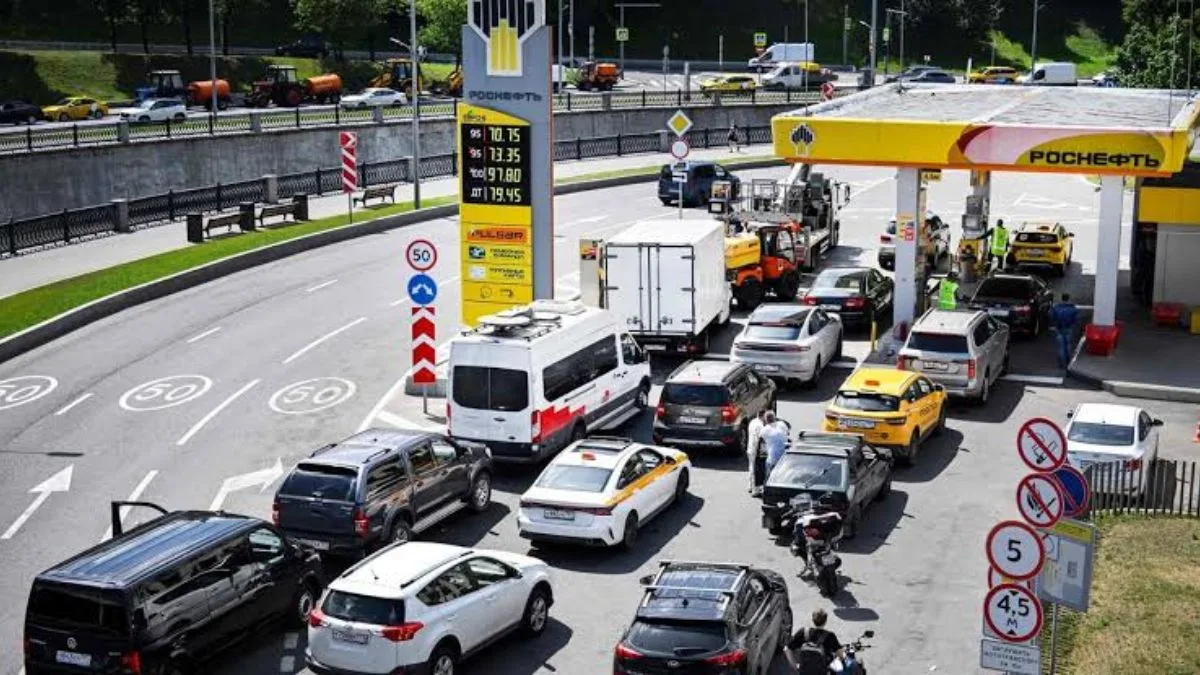
Long queues at petrol stations have become a daily reality across Russia, even in Moscow, one of the country’s wealthiest cities. The cause traces directly back to the ongoing war in Ukraine.
Ukrainian drone strikes have knocked out a significant chunk of Russia’s oil refining capacity. Combined with the ongoing agricultural harvesting season, which demands large volumes of fuel, the country is now facing a genuine supply crunch.
Advertisement
The government has responded by scrambling to redirect existing supplies, hold price caps in place, and enforce export restrictions, all in an effort to slow down the domestic shortage before it worsens further.
Long lines become the new normal
Across the country, people are spending hours waiting just to fill up their vehicles. In some areas, fuel pumps have run completely dry. Witnesses describe a mix of patience and rising anxiety among drivers, as uncertainty about the situation continues to grow.
Stanislav Mitrakhovich, an expert at the National Energy Security Fund at the Russian Financial University, spoke with Al Jazeera about the scale of the problem. He described the crisis as deep, adding that Russian authorities avoided acknowledging it for a long time.
According to Mitrakhovich, that delayed response has damaged public trust in the authorities, which in turn triggered panic buying across the country. He pointed to indirect evidence suggesting Ukrainian drone attacks have disabled roughly a quarter of Russia’s total oil refining capacity.
How Russia is trying to manage the crisis
To control the shortage, Russia has introduced fuel rationing nationwide. Drivers are typically limited to purchasing between 20 and 30 litres per vehicle, roughly 5 to 8 US gallons. Fuel must be pumped directly into vehicle tanks, and filling jerry cans has largely been banned.
Earlier, the government had already banned exports of petrol and jet fuel. Officials are now reportedly considering extending that ban to diesel as well.
In an effort to keep supply flowing domestically, authorities have also loosened fuel quality regulations, temporarily permitting lower grade fuel to be sold within the country.
In Russia controlled Crimea, the situation has escalated to the point where a formal state of emergency has been declared, highlighting just how serious the fuel shortage has become in certain regions.
Turning to imports for relief
To help offset the domestic shortfall, Moscow has begun importing fuel from neighboring countries, including Belarus, along with several Asian markets.
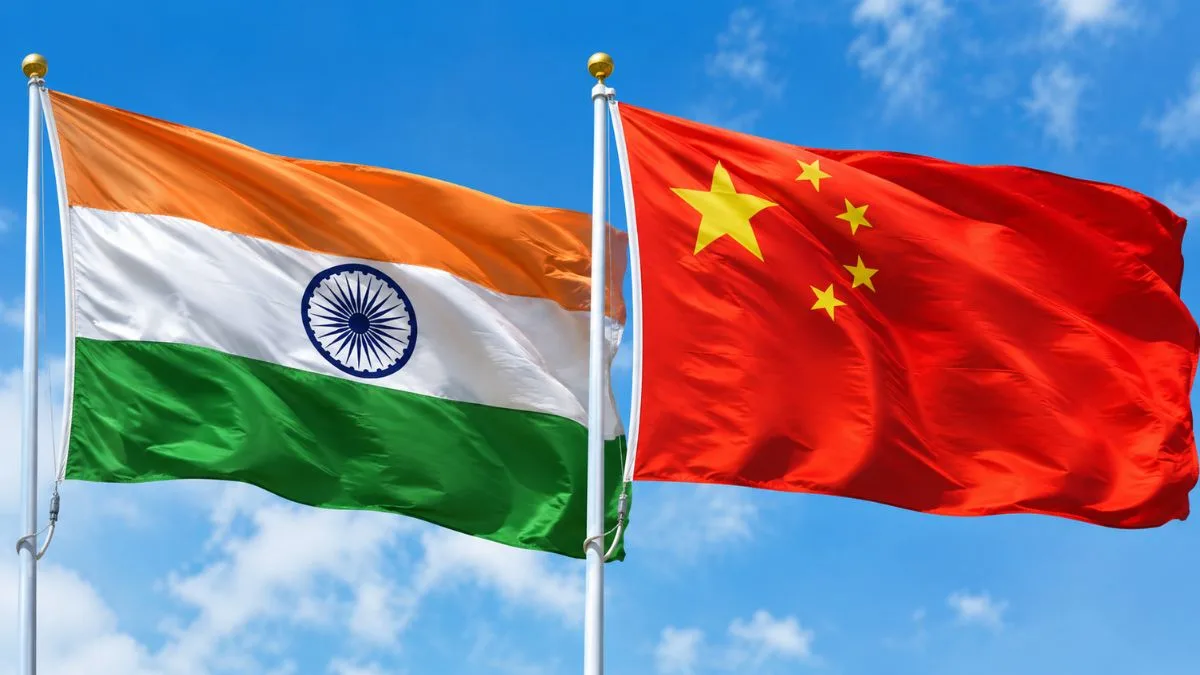
According to industry sources cited by Reuters, Russia has already shipped in between 60,000 and 80,000 tonnes of petrol from India. Reports suggest Russia is now planning to import around 400,000 tonnes of petrol every month from various countries to help stabilise supply.
Russian President Vladimir Putin has acknowledged the crisis publicly, though he remains firm in his stance on continuing the war in Ukraine. He insists the overall situation remains under control.
Putin said the attacks on Russian facilities have clearly created problems, and admitted there is currently a fuel shortage, though he described it as not critical. He said Russia needs to rapidly increase production of air defence systems that are currently in high demand, while continuing to improve their capability. He also stressed that refinery repairs need to happen faster.